Ashwagandha for Men and Women
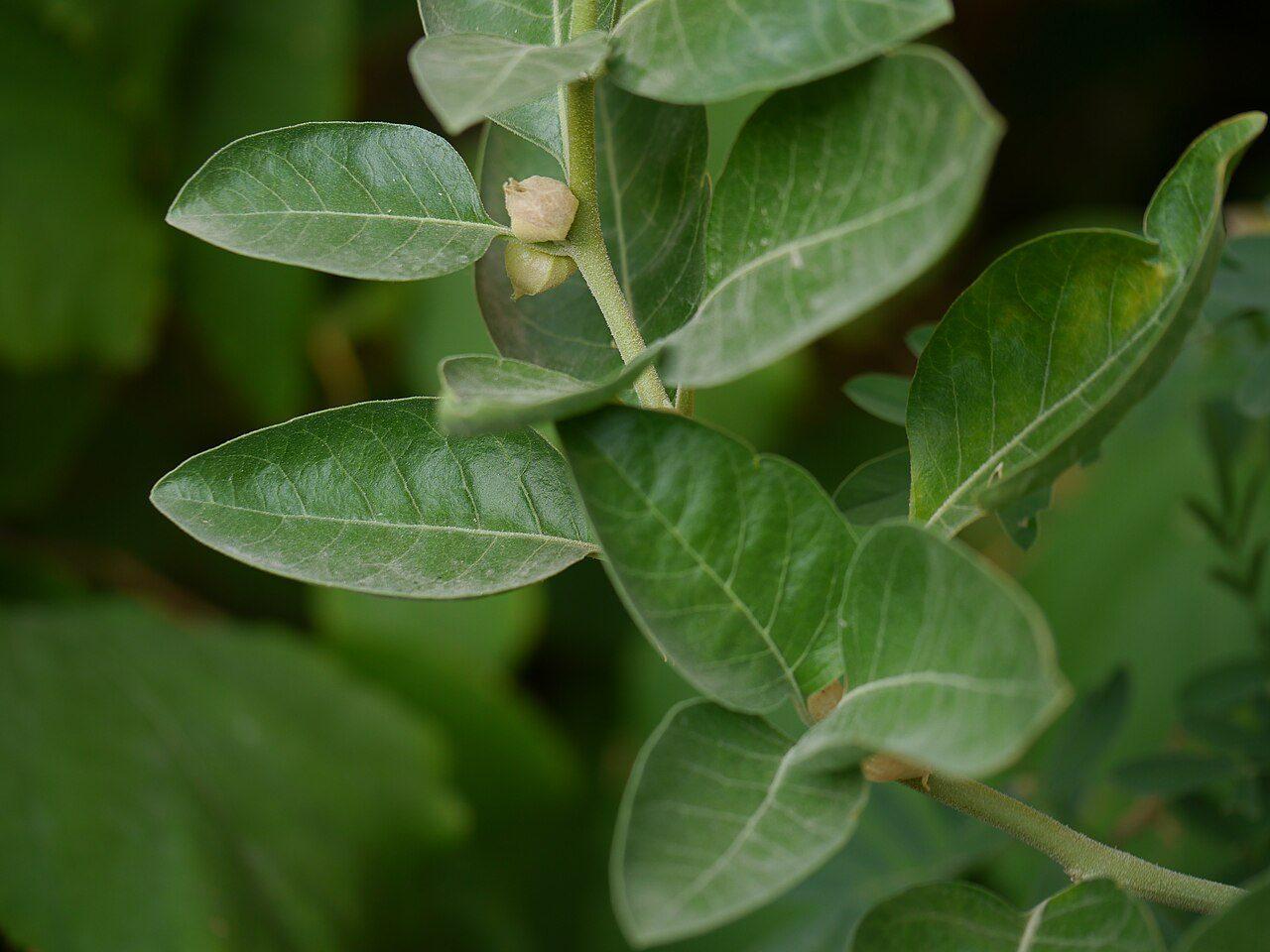
Ashwagandha (Withania somnifera) is one of the most studied herbs in the Ayurvedic tradition, and for good reason. For more than 3,000 years it has been used in India as a rasayana, a tonic meant to restore steadiness and resilience to the body and mind. The Sanskrit name translates roughly to "the smell of a horse", a nod to both its earthy aroma and the old belief that it lends the strength and stamina of a stallion.
A question we hear constantly at UNYQROOT is whether ashwagandha works differently for men and women. The honest answer is that the core benefits, calmer stress response, better sleep, steadier energy, are shared by everyone. But the way men and women tend to use it, and the outcomes they care about most, often differ. This guide walks through what ashwagandha actually does, how the experience can vary by sex, and how to take it sensibly.
What Ashwagandha Actually Does
Ashwagandha is classified as an adaptogen, a term for plants that help the body adapt to physical and mental stress rather than acting like a stimulant or a sedative. Its most consistent effect is on the stress response. By helping to moderate the release of cortisol, the body's main stress hormone, ashwagandha can leave you feeling less wired, less reactive and more grounded over a period of weeks.
Most of the benefit people notice falls into a few buckets:
- A calmer, more measured response to everyday stress and tension
- Easier, deeper sleep, especially for people whose minds race at night
- Steadier daytime energy without the jitter of caffeine
- Support for physical recovery, stamina and muscle strength alongside exercise
- A general sense of mental clarity and focus once stress settles
These effects are supportive and cumulative. Ashwagandha is not a quick fix; it is a herb you take steadily while your nervous system recalibrates. Most people report meaningful changes somewhere between two and eight weeks of consistent use.
Think of ashwagandha as a daily habit, not a one-off remedy. The benefits build with consistency, much like the effects of regular sleep or exercise.
Ashwagandha for Men
Men most often reach for ashwagandha for three reasons: stress and sleep, physical performance, and hormonal balance. The stress and sleep benefits are universal, but there is a reasonable body of research looking specifically at how ashwagandha supports active men.
Strength, stamina and recovery
For men who train, ashwagandha has been studied as a support for muscle strength, recovery and exercise capacity. The likely mechanism is indirect: by lowering perceived stress and improving sleep quality, the body recovers more completely between sessions. Better recovery tends to show up as steadier gym performance over weeks rather than a dramatic same-day boost. If you lift or run regularly, the practical takeaway is to treat ashwagandha as a recovery aid that quietly raises the ceiling on how hard you can train without burning out, not as a pre-workout stimulant. Pair it with adequate protein, hydration and genuine rest days, and the herb has something to work with.
Hormonal and vitality support
Ashwagandha is traditionally used as a vajikarana, or vitality, herb in Ayurveda, and modern interest has followed. Some research suggests it may support healthy testosterone levels and reproductive wellness in men, particularly those under chronic stress, where elevated cortisol can sit at odds with healthy hormone balance. This is wellness support, not a treatment for any specific medical condition. If you have concerns about fertility, hormones or a diagnosed health issue, speak with a qualified physician rather than self-prescribing.
Ashwagandha for Women
For women, ashwagandha is most valued for its calming influence on stress, mood and sleep, and for the steadiness it can bring during demanding phases of life. Many women juggling work, caregiving and a busy household find that the herb takes the sharp edge off chronic, low-grade stress.
Stress, mood and sleep
Because stress hormones interact with so many systems, calming the stress response can have a knock-on effect on sleep quality, daytime mood and mental clarity. Women who describe themselves as "tired but wired" at bedtime often respond well to an evening dose, finding it easier to switch off without feeling groggy the next morning.
Hormonal phases and energy
Ashwagandha is sometimes used to support balance through the natural ebb and flow of a woman's cycle and through the transitions of midlife, where stress, sleep and energy can all feel unsettled at once. Because so much of how we feel during these phases is shaped by the stress response, the herb's steadying influence on cortisol is often what women appreciate most, even when the cycle or the season of life itself is doing its own thing. Its thyroid-supportive reputation in traditional use is one reason it is approached with care here: anyone with a thyroid condition or on thyroid medication should consult their doctor before starting, because the herb may influence thyroid hormone activity.
Pregnant or nursing? Skip ashwagandha unless your physician specifically advises otherwise. Traditional texts caution against it in pregnancy, and there is not enough modern safety data to recommend it during this time.
Shared Benefits: Where Men and Women Overlap
Strip away the sex-specific framing and the heart of ashwagandha is the same for everyone. The stress and cortisol support, the better sleep and the steadier energy are not gendered. If you live a busy, screen-heavy, slightly over-caffeinated modern life, in Bengaluru, Mumbai, Delhi or anywhere else, those are usually the benefits you will feel first and most clearly.
The most reliable thing ashwagandha does is help a stressed body remember how to rest. Everything else tends to follow from that.
How to Take Ashwagandha: Dosage and Timing
Ashwagandha is available as a churna (raw root powder) and as standardised root extracts. The right amount depends on which form you use, so read the label rather than assuming all products are equivalent.
- 1Root powder (churna): a common traditional amount is 3 to 5 g per day, roughly 1 level teaspoon, taken once daily or split into two doses.
- 2Standardised extract: typically 300 to 600 mg per day. Extracts are far more concentrated than raw powder, so never substitute one for the other by volume.
- 3Start low: begin at the lower end for the first week to see how your body responds, then adjust within the recommended range.
- 4Give it time: assess how you feel after four to six weeks of consistent daily use before deciding whether to continue or adjust.
The classic Ayurvedic way to take root powder is to stir it into warm milk, dairy or plant-based, often with a little honey or a pinch of cardamom to soften the bitter, earthy taste. This is the time-honoured "moon milk" preparation, and the warmth makes it especially pleasant before bed. You can also mix the powder into warm water, a smoothie or a spoon of ghee.
Morning or night?
Timing comes down to your goal:
- For sleep and evening calm: take your dose 30 to 60 minutes before bed, ideally in warm milk.
- For daytime stress and steady energy: take it in the morning, with or just after food.
- Splitting the dose: if you take a higher daily amount, dividing it between morning and evening keeps levels even through the day.
- Always with food or milk: this is gentler on the stomach and reflects how the herb is traditionally used.
Quality matters more than people expect. The benefit you feel depends on a clean, potent root, free from fillers and heavy-metal contamination, a real concern with cheaply sourced herbal powders in any market. UNYQROOT ashwagandha is grown organically and processed in small batches precisely so the root reaches you the way it left the soil, which is the spirit behind our "From Soil to Soul" promise.
Safety, Side Effects and Who Should Be Careful
For most healthy adults, ashwagandha is well tolerated when taken in the amounts above. When side effects do occur they are usually mild, an upset stomach, loose stools or drowsiness, and often resolve by lowering the dose or taking it with food. Still, it is not right for everyone.
Please consult a physician before taking ashwagandha if you:
- Are pregnant or breastfeeding
- Have a thyroid condition or take thyroid medication
- Take sedatives, sleep aids, or medication for blood pressure or blood sugar
- Have an autoimmune condition such as rheumatoid arthritis or lupus
- Are scheduled for surgery, as it may interact with anaesthesia, in which case stop at least two weeks before
- Have a known sensitivity to plants in the nightshade family
None of the guidance here is a substitute for personal medical advice. Ashwagandha is a wellness support, and it works best as part of the basics that actually move the needle: regular sleep, sensible food, movement and a little daily stillness.
A Simple Way to Start
If you are new to the herb, keep it uncomplicated. Choose one clean, organic ashwagandha and one consistent time of day. Stir 1 teaspoon of root powder into warm milk each night for four weeks, and notice how you sleep and how you handle a stressful Monday. Most people do not need anything more elaborate than that to feel the difference, and the steadiness it brings is exactly what a rasayana herb is meant to deliver.
Ashwagandha ને તમારી દિનચર્યામાં ઉમેરો
ઉત્પાદન જુઓવારંવાર પૂછાતા પ્રશ્નો
Yes. The core benefits, calmer stress response, better sleep and steadier energy, apply to everyone. Men more often use it for strength, recovery and vitality, while women tend to value its support for stress, mood and balance through hormonal phases.