How to Make Amla Juice at Home
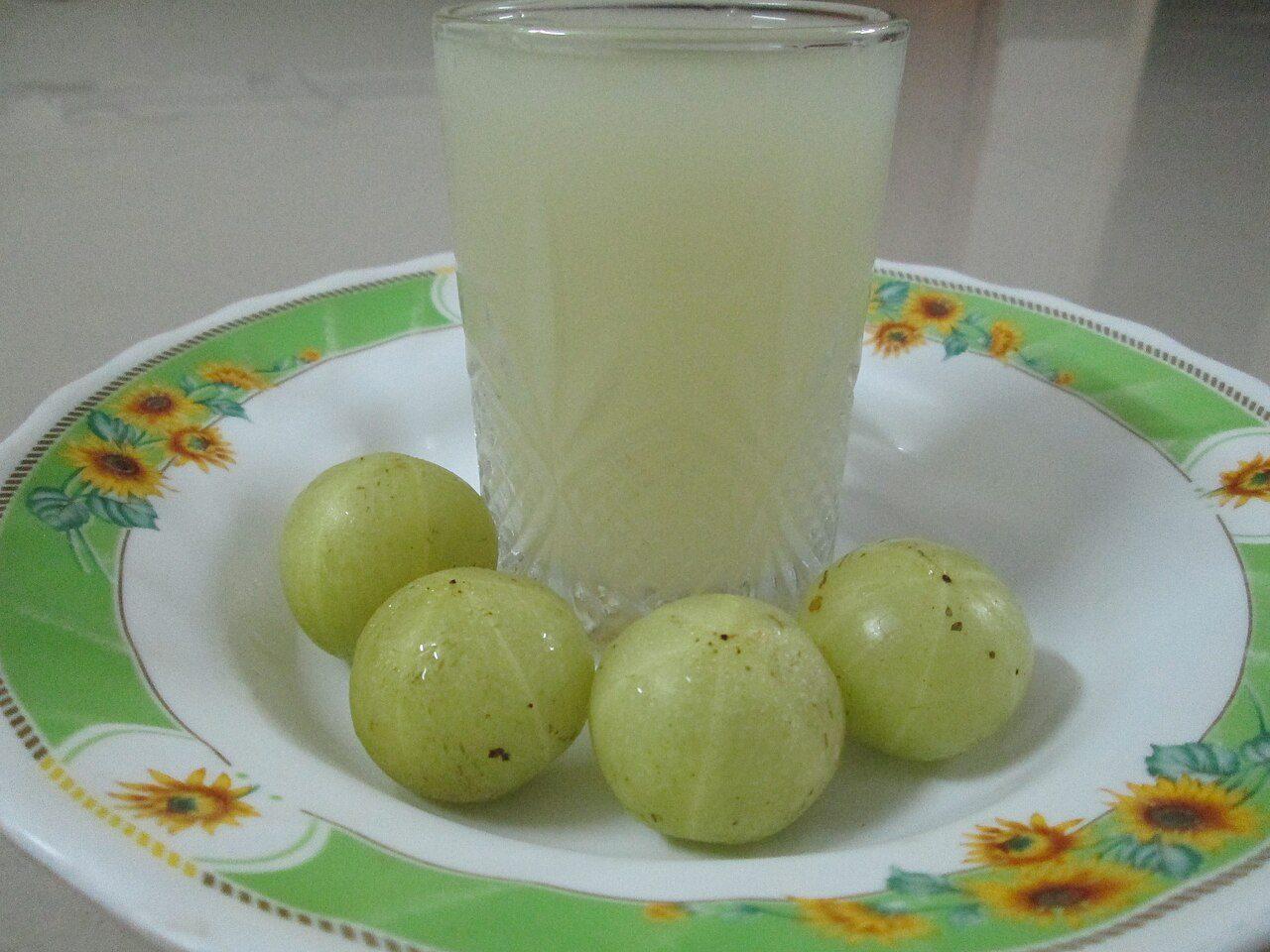
Amla, the Indian gooseberry, is one of the oldest fruits in the Ayurvedic kitchen and one of the most generous. A single small, pale-green fruit carries a remarkable amount of natural vitamin C along with a group of plant compounds that traditional practitioners have valued for centuries. Most of us, though, never eat it raw. It is sharp, fibrous, and stubbornly sour, and a whole bowl is hard to finish. Pressing it into juice solves that problem in one step: you get the fruit's goodness in a few honest sips, the way many Indian households have prepared it for generations.
This guide walks you through making amla juice at home from scratch. You will learn how to pick good fruit, two reliable methods (a blender method and a traditional grate-and-press method), the right amount to drink, the best time of day, and how to store a batch so it stays fresh. None of it is complicated. Once you have done it twice, it becomes a five-minute morning habit.
Why Amla Is Worth the Effort
In Ayurveda, amla is described as a rasayana, a category of foods and herbs used to support overall vitality and the body's natural balance over time. It is one of the three fruits in the classic Triphala blend, and it is used on its own as widely as it is in formulas. The fruit is unusual in that its vitamin C is paired with tannins that help slow oxidation, so the nutrient survives reasonably well compared with many other fresh sources.
People reach for amla juice as part of a daily wellness routine for a few common reasons:
- As a natural, food-based source of vitamin C to support everyday immunity and antioxidant intake.
- To support healthy digestion and a comfortable gut, particularly when taken first thing in the morning.
- As part of a hair and skin care routine, where amla has a long traditional history.
- For its cooling, balancing quality, which Ayurveda associates especially with the pitta dosha.
Amla juice supports a healthy daily routine; it is not a treatment for any medical condition. If you are pregnant, nursing, managing a health condition, or taking regular medication, talk to your physician before adding a daily dose.
Choosing and Preparing the Fruit
Fresh amla is in season across much of India through the cooler months, roughly from late autumn into winter, when you will find firm green fruit in local markets. Look for amla that is hard to the touch, with smooth, unbroken skin and a pale yellow-green colour. Soft spots, brown patches, or a wrinkled surface mean the fruit is past its best and will taste flat.
Before juicing, rinse the fruit well under running water. Many people soak amla in clean water for ten to fifteen minutes, which helps loosen any surface dust and makes the flesh slightly easier to work with. Cut each fruit into segments around the hard central seed and discard the seed. You do not need to peel amla; the skin is thin and goes into the juice along with the flesh.
How much fruit you need
As a rough guide, six to eight medium amla fruits yield enough juice for one strong 30 ml shot once strained, or a larger diluted glass. If you are making a batch to store, scale up from there. Keep in mind that raw amla juice is intensely sour and astringent on its own, so most people dilute it with water before drinking.
Method 1: The Blender Method (Easiest)
This is the quickest way and needs only a blender or mixer-grinder, which almost every Indian kitchen already has. It gives you a thicker juice with more of the fruit pulp retained, which some people prefer.
- 1Take 6 to 8 deseeded amla pieces and add them to a blender jar.
- 2Add about 100 to 150 ml of clean drinking water to help the blades catch the fruit.
- 3Blend on high for 30 to 60 seconds until you have a smooth, pale-green pulp.
- 4Place a fine strainer or a clean muslin cloth over a bowl and pour the pulp through it.
- 5Press and squeeze the pulp firmly with a spoon or by twisting the cloth to extract as much liquid as possible.
- 6Stir the strained juice, then pour into a glass. Dilute to taste with extra water before drinking.
Do not throw away the leftover pulp. It still holds fibre and flavour, and you can stir a spoonful into a chutney, mix it into a hair mask, or add it to a dough.
Method 2: The Traditional Grate-and-Press Method
This is the older household method and the one many grandmothers still use. It takes a little more effort but gives a cleaner juice with slightly less of the raw, foamy edge that blending can introduce.
- 1Grate the deseeded amla on the fine side of a box grater into a clean bowl.
- 2Gather the grated flesh into a piece of clean muslin or a thin cotton cloth.
- 3Twist and squeeze the cloth hard over a bowl, working the pulp until the liquid stops running.
- 4If the fruit is very firm and resists, add a small splash of water to the grated pulp and squeeze again.
- 5Collect the juice, give it a quick stir, and dilute with water to your preferred strength.
The best amla juice is the one you can make in five minutes and actually want to drink the next morning. Keep it simple, keep it fresh, and keep it part of the routine.
Making the Taste Work for You
Pure amla juice is honest about what it is: sour, astringent, and bracing. That sharpness is part of its character, and over time many people grow to like it. If you are just starting, a few small adjustments make the first weeks far more pleasant without burying the fruit under sugar.
- Dilute it. Mix one part amla juice with two to three parts water. This is the single biggest improvement for most beginners.
- Add a pinch of salt. A small pinch of rock salt or black salt softens the sourness and suits the morning palate.
- Stir in honey. Half a teaspoon of raw honey rounds out the edges. Add it to cool or room-temperature juice, never hot liquid.
- Warm it gently. A glass of warm water with amla juice, a pinch of salt, and a touch of honey is a classic morning combination.
- Pair with other juices. A little fresh ginger or a few mint leaves blended in adds brightness without much sugar.
How Much to Drink and When
For fresh homemade amla juice, a common daily amount is 20 to 30 ml, which is roughly one to two tablespoons, diluted in water. Start at the lower end, around 10 to 15 ml, for the first week so your stomach can adjust to the sourness, then build up gradually. There is no benefit in drinking large quantities; a modest, consistent daily dose is what supports a steady routine.
The traditional and most popular time to drink amla juice is first thing in the morning on an empty stomach, ideally with warm water, about twenty to thirty minutes before breakfast. Taking it early is thought to support digestion through the day. If morning does not suit you, taking it before a meal at another time of day works too. Avoid drinking it right before sleep, as the sourness can feel uncomfortable for some people lying down.
Practical tip: because amla juice is acidic, rinse your mouth with plain water after drinking it. This is a simple way to look after tooth enamel when any sour juice becomes a daily habit.
Storing Your Amla Juice
Fresh amla juice is best consumed the day you make it, when its vitamin C and bright flavour are at their peak. That said, a small batch keeps reasonably well with a little care.
- Refrigerate the strained juice in a clean, airtight glass bottle and use it within two to three days.
- Fill the bottle close to the top to limit the air in contact with the juice, which slows oxidation.
- Shake gently before each pour, as natural separation is normal.
- For longer storage, freeze the juice in an ice-cube tray, then drop a cube into water each morning. Use frozen cubes within about a month.
- Discard the juice if it smells fermented, turns noticeably darker, or develops an off taste.
Fresh fruit is seasonal, so amla is not always easy to find through the warmer months. For year-round consistency, a clean, well-sourced amla product gives you the same daily ritual without depending on the market. UNYQROOT amla is made from organically grown fruit and offers a reliable way to keep the routine going when fresh gooseberries are out of season.
A Few Things to Keep in Mind
Amla is well tolerated by most people as a food, but a daily concentrated juice deserves a little common sense. Because it is sour and astringent, very large amounts on a sensitive stomach can cause mild acidity or discomfort, which is why moderate dosing and dilution matter. Its cooling nature is prized in warm weather, though people who feel the cold easily may prefer to take it with warm water.
If you are pregnant, nursing, scheduled for surgery, living with a diagnosed health condition, or taking regular medication, including any that affects blood sugar or blood thinning, speak with your physician before making amla juice a daily habit. Amla is a food first, but a consistent concentrated dose is still a meaningful addition to your routine, and a quick conversation keeps it safe and sensible.
Putting It All Together
Making amla juice at home comes down to a short, repeatable sequence: choose firm, unblemished fruit; deseed and either blend or grate it; strain and dilute; drink a small dose, around 20 to 30 ml, in the morning; and store any extra in the fridge for a couple of days. Adjust the taste with a pinch of salt or a little honey while your palate adapts, and rinse your mouth afterward.
What makes amla juice worth keeping up is not any single glass but the rhythm of it. A small, sour sip each morning is an easy, food-based way to bring one of Ayurveda's most respected fruits into your day. From soil to soul, it is the kind of simple ritual that rewards consistency far more than intensity.
Amla ને તમારી દિનચર્યામાં ઉમેરો
ઉત્પાદન જુઓવારંવાર પૂછાતા પ્રશ્નો
Yes, the traditional practice is to drink it first thing in the morning on an empty stomach with warm water, about 20 to 30 minutes before breakfast. This is thought to support digestion through the day. Start with a small, diluted dose so your stomach can adjust.