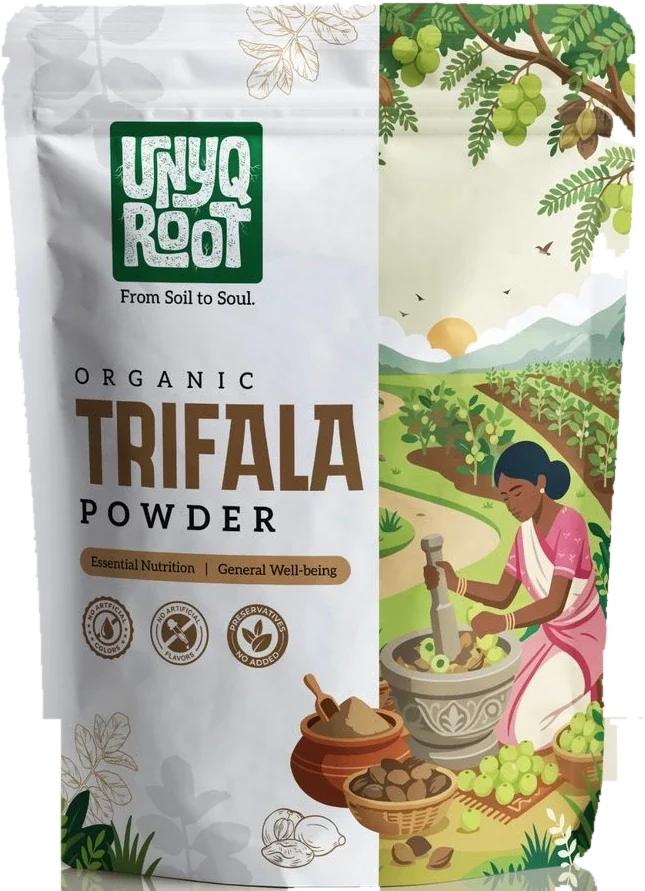
What Is Triphala? The Complete Beginner's Guide
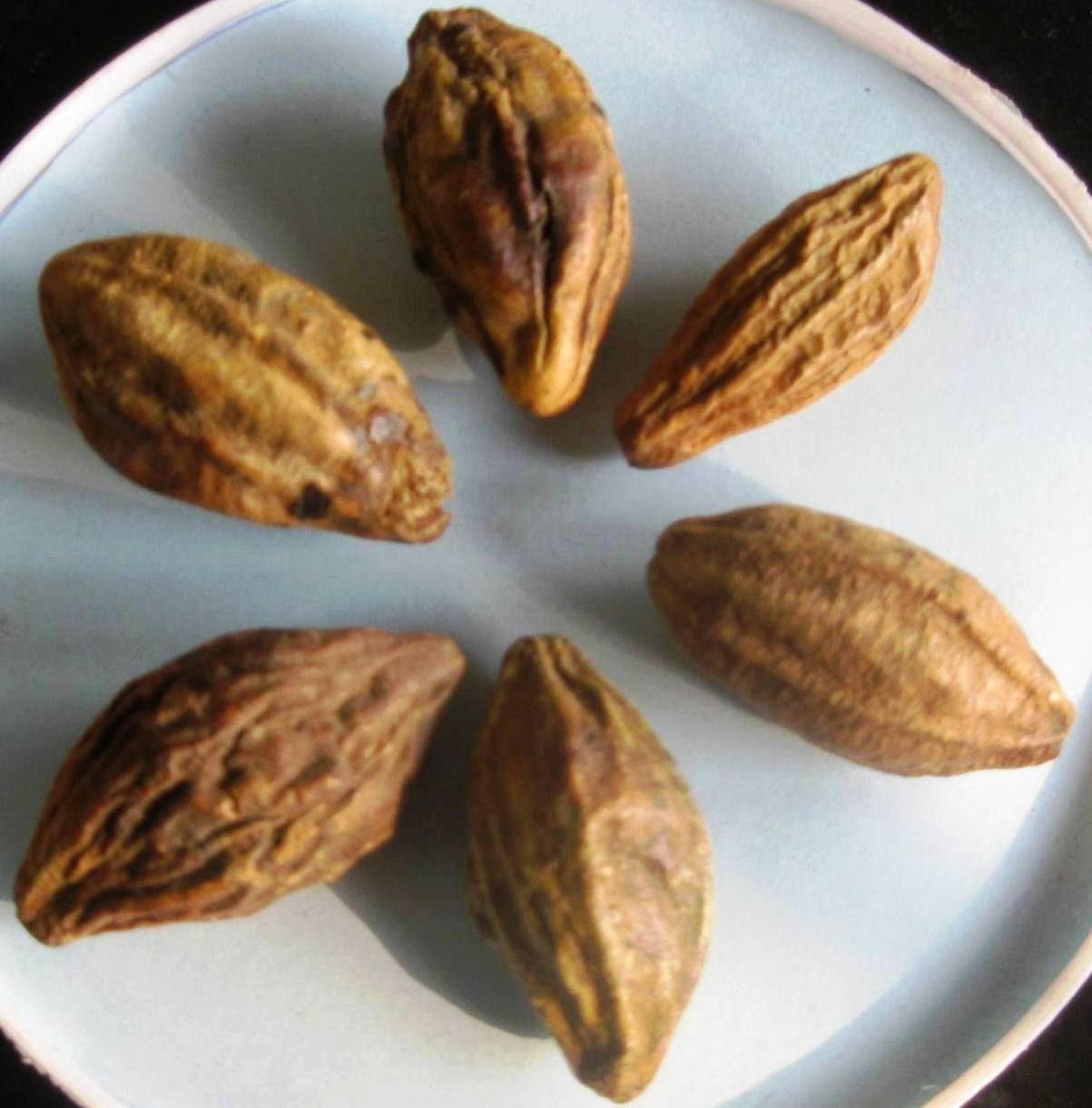
Triphala is one of the most widely used formulations in Ayurveda, and for good reason. The name is literally a recipe: "tri" means three and "phala" means fruit, so triphala is a blend of three dried fruits ground into a single powder. For thousands of years, households across India have kept a jar of it in the kitchen the way many people keep ginger or turmeric, reaching for it most often to support comfortable, regular digestion.
If you are new to Ayurveda, triphala is a sensible place to begin. It is gentle, well documented in classical texts, and easy to fit into a daily routine. This guide explains exactly what is in it, how it is traditionally understood to work, how much to take and when, and the practical things to know before you start.
The Three Fruits Inside Triphala
What makes triphala distinctive is that it is not a single herb but a balanced trio. Each fruit brings a different quality, and Ayurveda values the way they work together rather than the strength of any one on its own.
- Amalaki (amla, or Indian gooseberry): a sour, cooling fruit prized for its natural vitamin C content and its association with the pitta dosha. It is considered the rejuvenating, antioxidant-rich anchor of the blend.
- Bibhitaki (baheda): an astringent fruit linked to the kapha dosha. Traditionally used to support the respiratory passages and to help the body clear excess.
- Haritaki (harad): often called the "king of medicines" in Ayurveda, this fruit is associated with the vata dosha and is the component most tied to gentle, regular elimination.
Because the three fruits map to the three doshas (vata, pitta, and kapha), triphala is described in Ayurveda as tridoshic, meaning it is considered broadly balancing for most constitutions rather than suited to only one type. This is part of why it is recommended so often as a starting formulation.
How Triphala Is Traditionally Used
In Ayurvedic practice, triphala is best known as a daily support for the digestive tract. It is used to encourage regular, comfortable bowel movements, to support the body's natural cleansing rhythms, and as a mild, food-based source of antioxidants. People also use the cooled, strained liquid as an eye wash and as a mouth rinse, both long-standing folk practices in India.
A useful way to think about triphala is as a tonic rather than a quick fix. Its benefits are generally described as building gradually with consistent use over weeks, supporting the gut and the body's everyday balance, rather than producing a dramatic same-day effect.
Wellness framing matters: triphala is used to support normal digestion and regularity as part of a balanced lifestyle. It is not a treatment or cure for any medical condition. If you have a diagnosed digestive disorder, speak with a qualified practitioner before relying on any herb.
How To Take Triphala
Triphala comes in three common forms, and the best choice usually comes down to taste tolerance and convenience.
- Powder (churna): the most traditional form, and the one Ayurveda generally considers most effective because the fruits stay close to their whole state. The flavour is strongly sour and astringent.
- Tablets: pressed powder, easy to dose and travel with, and a good option if you find the taste difficult.
- Capsules: the most convenient and the most neutral on the palate, though slightly further from the traditional whole-powder approach.
A Simple Daily Routine
- 1Measure roughly 3 to 5 grams of triphala powder, about half to one level teaspoon, to start. Beginners often begin at the lower end and adjust.
- 2Stir it into about 100 to 200 ml of warm water. You can also steep it for a few minutes and drink it as a tea, or mix the powder with a little honey to soften the taste (add honey only to warm, not hot, water).
- 3Take it at night, ideally 30 to 60 minutes after dinner or just before bed. This timing aligns with the traditional use of triphala to support overnight digestion and a clear morning.
- 4Stay consistent for two to four weeks before judging how it suits you, since the effect is cumulative.
- 5If using tablets or capsules, follow the dose on the product label, which is typically around 500 mg to 1 g taken once or twice daily.
Some Ayurvedic practitioners suggest taking triphala in the early morning on an empty stomach instead, especially when the goal is gentle cleansing. Both timings are traditional; the evening routine is the most common starting point for beginners.
In Ayurveda, the value of triphala is not in any single fruit but in the balance of all three working together, day after day.
Choosing A Quality Triphala
Because triphala is made from whole fruits, the quality of those fruits matters more than with most supplements. A well-made powder should smell earthy and fruity, taste distinctly sour and astringent, and list only the three fruits, with no fillers, colours, or anti-caking agents you do not recognise.
- Look for organic sourcing, which reduces the pesticide load on fruits that are dried and concentrated.
- Prefer brands that share where the fruits are grown and how they are processed.
- Check that the ratio of the three fruits is stated; an equal-parts blend is the classic standard.
- Choose recently milled powder where possible, as freshness affects both potency and flavour.
UNYQROOT's triphala is made to this whole-fruit standard, blended from organically grown amalaki, bibhitaki, and haritaki with nothing else added, so what you taste is the genuine character of the three fruits and not a diluted version of it.
What To Watch For Before You Start
Triphala is generally considered well tolerated, but it is still an active herbal formulation, and a few sensible precautions apply, especially in the first week.
- Start low. Because triphala supports bowel regularity, too high a dose early on can lead to loose stools or mild cramping. Begin around 3 grams and increase slowly only if needed.
- Drink enough water through the day, which helps the formulation work comfortably.
- If you are pregnant or nursing, do not take triphala without first consulting your physician or a qualified Ayurvedic practitioner, as haritaki in particular is traditionally avoided during pregnancy.
- If you take prescription medication, including blood thinners or diabetes medicines, or you manage an ongoing health condition, check with your doctor before adding triphala, since herbs can interact with medicines.
- Triphala is intended for adults. Use with children only under professional guidance.
A simple rule of thumb: if a dose ever feels too strong, reduce the amount rather than stopping entirely. Many people settle comfortably at around half a teaspoon once their body adjusts.
How Triphala Fits A Daily Wellness Routine
Triphala works best as one steady habit inside a broader routine rather than as a standalone solution. It pairs naturally with regular meal times, adequate hydration, fibre-rich food, and good sleep, all of which support the same digestive rhythm triphala is used to encourage.
Many people in India also rotate it seasonally, using it more consistently during the cooler months or at the change of seasons, when digestion and routine tend to shift. There is no need to take it forever without breaks; a common approach is to use it daily for several weeks, then reassess how you feel.
The Takeaway
Triphala is a three-fruit Ayurvedic blend of amalaki, bibhitaki, and haritaki, used for centuries to support comfortable digestion, regularity, and everyday balance. It is gentle, traditional, and easy to weave into a daily routine, which is exactly why it is such a good first step into Ayurveda. Start with a modest dose, give it a few weeks of consistency, choose a clean whole-fruit product, and check with a physician if you are pregnant, nursing, or on medication. From soil to soul, it is a small daily ritual with deep roots.
Triphala को अपनी दिनचर्या में शामिल करें
उत्पाद देखेंअक्सर पूछे जाने वाले प्रश्न
Triphala is a blend of three dried fruits in roughly equal parts: amalaki (amla), bibhitaki (baheda), and haritaki (harad). Together they are considered balancing for all three doshas.