Benefits of Triphala for Gut Health
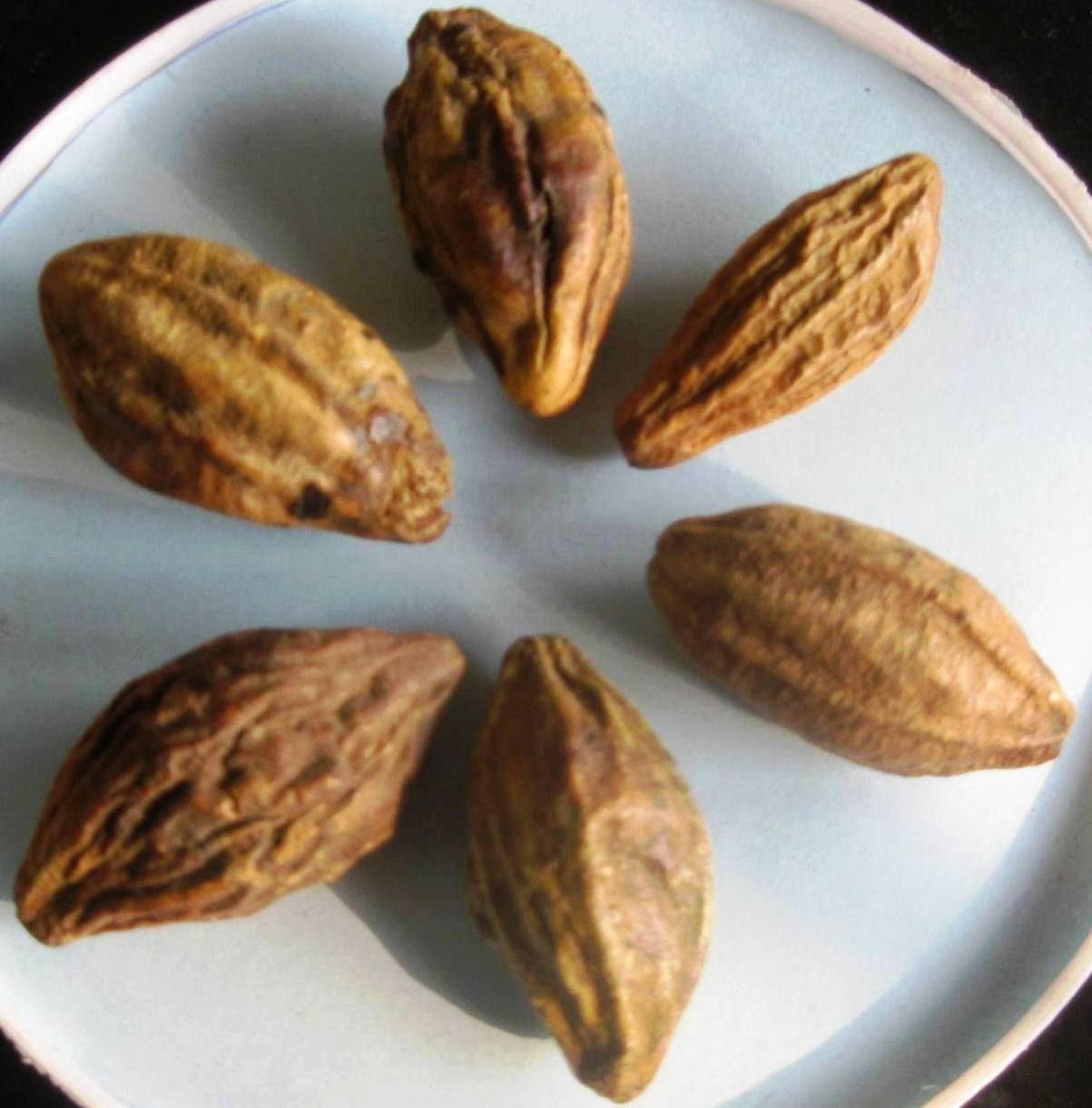
Triphala is one of the most quietly dependable formulas in the Ayurvedic kitchen. The name simply means "three fruits": Amalaki (Indian gooseberry, or amla), Bibhitaki, and Haritaki, dried and powdered together in roughly equal parts. For centuries, households across India have kept a jar of this tan-brown powder on the shelf for one main reason, to keep digestion moving and the gut comfortable. It is not a stimulant laxative that forces the bowels, and it is not a quick fix. It is a daily-use tonic that works gently with the body's own rhythm.
If you have been curious about Triphala for gut health but were not sure where to start, this guide covers what each fruit contributes, how it supports digestion and regularity, how much to take and when, and the practical cautions worth knowing before you make it part of your routine.
What Triphala Actually Is
Triphala is a balanced blend of three fruits, each chosen for a different action on the digestive tract. In Ayurveda it is described as tridoshic, meaning it suits all three constitutional types (Vata, Pitta, and Kapha) rather than favouring one. That broad suitability is a large part of why it has stayed in continuous use for so long. The three components are:
- Amalaki (amla): rich in natural vitamin C and tannins, traditionally cooling and the gentlest of the three on the stomach lining.
- Bibhitaki: traditionally supports the clearing of excess mucus and toxins from the digestive and respiratory channels.
- Haritaki: often called the "king of medicines" in Ayurvedic texts, valued for its supportive effect on smooth, regular bowel movement.
Together these fruits give Triphala its characteristic taste: predominantly sour and astringent, with hints of bitter, sweet, and pungent. Five of the six classical tastes appear in a single spoonful, which is unusual and is one reason traditional practitioners describe it as nourishing rather than merely cleansing.
How Triphala Supports the Gut
Modern interest in Triphala lines up reasonably well with how Ayurveda has always used it. The supportive effects on the digestive system tend to fall into a few clear areas.
Gentle, non-habit-forming regularity
Triphala is best known as a mild bowel tonic. Unlike harsh laxatives, it is not understood to create dependence with normal use. It supports the natural tone and movement of the intestines (what Ayurveda calls the downward Apana flow) so that elimination happens comfortably and on its own schedule. People who deal with occasional sluggish digestion or irregularity often find it the easiest formula to live with day to day.
Feeding a balanced gut microbiome
The fruits in Triphala are high in polyphenols and fibre. These compounds are not fully absorbed in the small intestine, so they travel to the colon where resident bacteria can use them. This prebiotic-style activity is one of the more interesting modern angles on an old remedy: rather than simply pushing things along, Triphala may help create conditions in which beneficial gut bacteria thrive. A balanced microbiome is closely linked with comfortable digestion, steady energy, and overall wellbeing.
Supporting the gut lining and reducing day-to-day discomfort
The tannins and antioxidant compounds in the three fruits are traditionally credited with a soothing, toning effect on the digestive tract. In everyday terms, regular users often report less bloating, a lighter feeling after meals, and fewer episodes of post-meal heaviness. Ayurveda frames this as Triphala helping to clear ama, the sticky metabolic residue thought to build up when digestion is weak.
Steadier appetite and digestion of food
Because it carries the sour and pungent tastes alongside the astringent, Triphala is also used to gently kindle agni, the digestive fire. A stronger, steadier agni means food is broken down more completely, which in turn means fewer of the gas, fermentation, and discomfort problems that come from half-digested meals sitting in the gut.
Triphala is not a remedy you reach for in a crisis. It is a habit you keep, and the gut rewards consistency far more than intensity.
How to Take Triphala for Gut Health
Triphala is forgiving, but a little method makes a real difference. The two questions that matter most are how much and when.
Dosage
A typical adult dose of Triphala powder (churna) is 3 to 5 grams, which is roughly half to one level teaspoon, once daily. If you are new to it, start at the lower end, around half a teaspoon, and let your body adjust over a week or two before increasing. If you use UNYQROOT Triphala in capsule or tablet form instead of loose powder, follow the dosage printed on the pack, as concentration varies between formats.
Timing
Timing changes the effect, which is a nice feature of this formula:
- 1At night, before bed: the most popular routine. Taken about 30 to 60 minutes after dinner, or at bedtime, it supports a clean, comfortable bowel movement the next morning. Choose this if regularity is your main goal.
- 2In the morning, on an empty stomach: taken first thing with warm water, it leans more towards cleansing and gentle detox support. Choose this for a lighter feeling through the day.
- 3Before meals: a small dose 20 to 30 minutes before eating can be used to support appetite and digestion of the meal to come.
The simplest way to prepare it
The traditional method is a warm-water steep. Stir half to one teaspoon of Triphala powder into a cup of warm (not boiling) water, let it sit for a few minutes, and drink it down. The taste is frankly an acquired one: sour and astringent, a little bitter. That is normal and even considered part of how it works, since taste itself triggers digestive responses. If the flavour is too much at first, a small amount of honey can be stirred in once the water has cooled to drinkable temperature, never into hot water.
Tip: Keep your Triphala in an airtight jar away from heat and moisture. Indian kitchens are humid, and the powder absorbs moisture quickly, which dulls both potency and taste. A cool, dark cupboard is ideal.
What a Realistic Routine Looks Like
Triphala works on a slow, cumulative timeline. Many people notice easier mornings within the first week or two, but the deeper benefits to digestion and gut comfort tend to settle in over four to eight weeks of consistent use. A sensible approach is to take it daily for six to eight weeks, then take a short break of a week or two before resuming. This cycling keeps the body responsive and is in line with how many Ayurvedic tonics are traditionally used.
Pair it with the basics that matter for any gut: enough water through the day, meals eaten at regular times, and a diet with real fibre from vegetables, whole grains, and fruit. Triphala supports a good routine; it does not replace one.
Choosing a Quality Triphala
Because Triphala is a daily-use product, the quality of the raw fruits matters more than with something you take occasionally. A few things to look for:
- Equal-part, single-origin fruits rather than fillers or bulking agents.
- Organic sourcing, since the fruit skins carry the tannins you actually want and you do not want to be ingesting residues with them daily.
- A fresh, sharp sour-astringent smell; flat or musty powder usually means it is old or has taken on moisture.
- Clear labelling of dose and batch, with no added sugar, colour, or anti-caking chemicals.
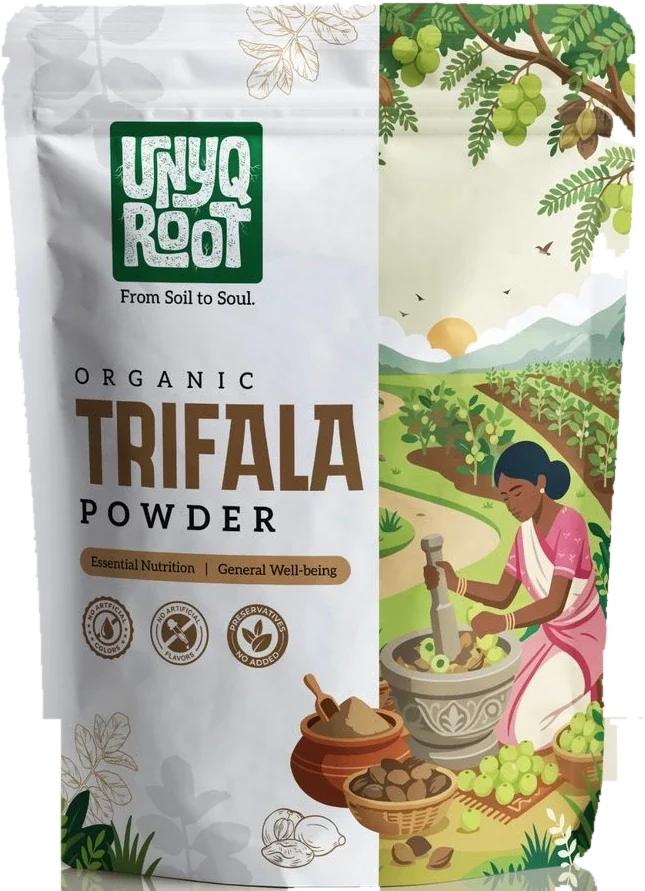
UNYQROOT Triphala is made from organically grown amla, bibhitaki, and haritaki in the traditional equal-part ratio, with nothing added, which keeps it suited to the kind of consistent daily routine the gut responds to best.
Cautions and Who Should Be Careful
Triphala is gentle, but gentle is not the same as universal. A few groups should take extra care, and some adjustments are worth knowing.
- Pregnancy and nursing: Triphala contains haritaki, which has a mild bowel-stimulating action, so it is generally avoided during pregnancy and while breastfeeding unless an Ayurvedic physician advises otherwise.
- On medication: if you take any prescription medicine, especially blood thinners, diabetes medication, or thyroid medicine, speak to your doctor first, as timing or dosage may need adjusting. As a general rule, separate Triphala from other medicines by about two hours.
- Loose stools or active digestive upset: if you are already experiencing diarrhoea, pause Triphala until things settle, since its tone is towards moving the bowels.
- Starting dose: too much too soon can cause loose stools or mild cramping. This is not harmful but is easily avoided by starting low and building up.
If you are pregnant, nursing, managing a health condition, or taking any regular medication, talk to a qualified physician or Ayurvedic practitioner before adding Triphala to your routine. This article is for general wellness support and is not a substitute for medical advice.
The Bottom Line
Triphala has earned its long-standing place in Indian homes by doing one thing well: supporting a calm, regular, comfortable gut without the harshness of a stimulant laxative. Its blend of fibre, polyphenols, and the full range of Ayurvedic tastes makes it a genuine daily tonic rather than an occasional remedy. Start with half a teaspoon in warm water at night, give it a few weeks, and let consistency do the work. Combined with good food, enough water, and regular meals, it is one of the simplest additions you can make to look after your digestion from soil to soul.
Triphala ને તમારી દિનચર્યામાં ઉમેરો
ઉત્પાદન જુઓવારંવાર પૂછાતા પ્રશ્નો
For regularity, take it at night, about 30 to 60 minutes after dinner or at bedtime, so it supports a comfortable bowel movement the next morning. For a lighter cleansing effect, take it in the morning on an empty stomach with warm water.