Ashwagandha Benefits for Stress Management
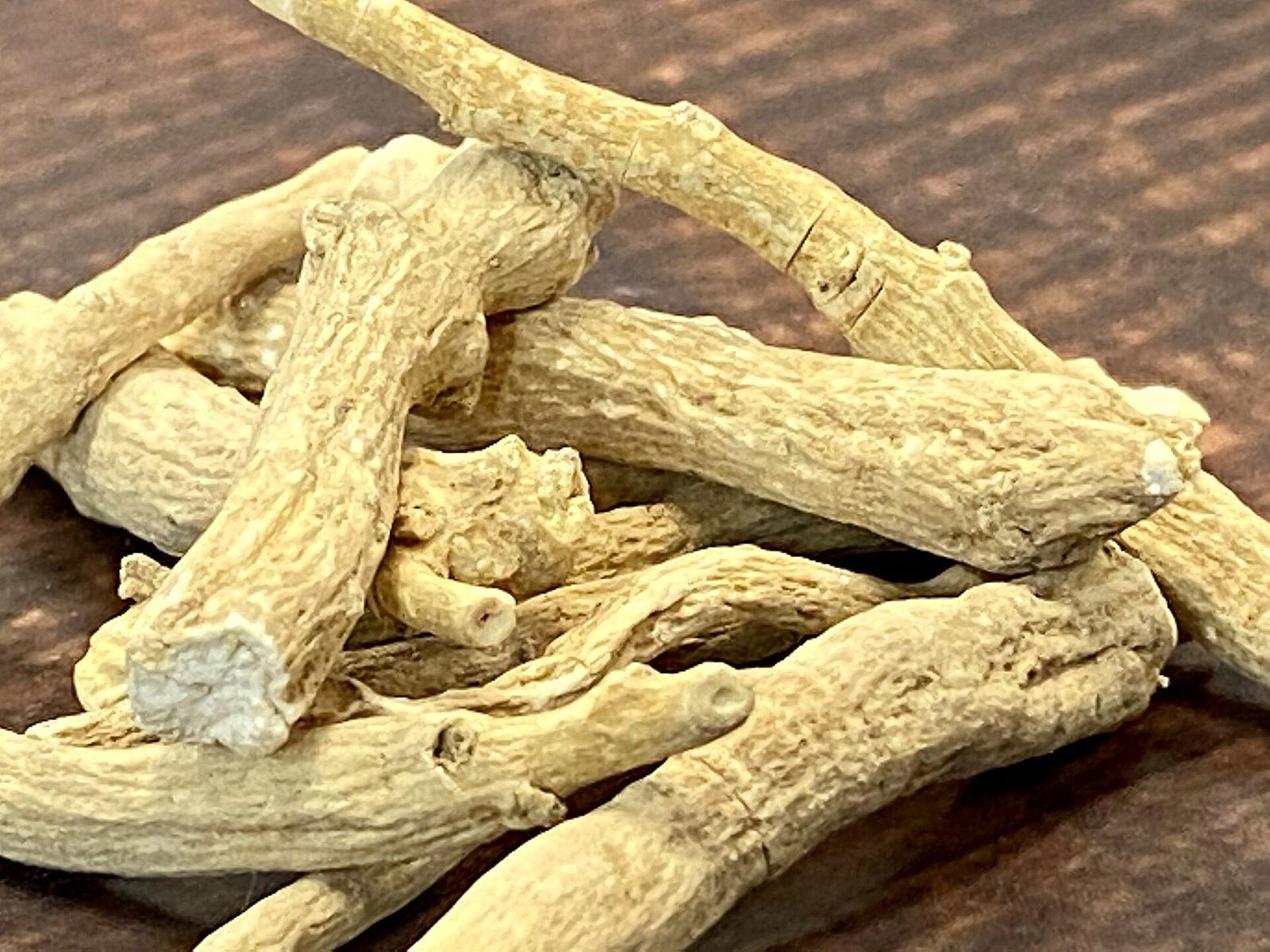
Ashwagandha (Withania somnifera) is one of the most studied herbs in Ayurveda, and most people reach for it because of a single, modern problem: stress that does not switch off. The root has been used in India for centuries, often given to people who felt depleted, tired, or wound too tightly. Its Sanskrit name hints at this use. "Ashwa" means horse, and the herb was traditionally said to lend the steadiness and stamina of one. Today it is one of the few traditional remedies with a growing body of human research behind its reputation.
This guide is about ashwagandha specifically for stress management: what it actually does in the body, how much to take, when to take it, which form suits which person, and the situations where you should pause and speak to a doctor first. We will keep the claims grounded and the instructions practical, so you can decide whether it belongs in your routine.
What Ashwagandha Is, and Why It Is Called an Adaptogen
Ashwagandha is a small woody shrub native to the drier regions of India. The part used in most supplements is the root, sometimes the leaf, ground into a fine powder or extracted into a concentrated form. In Ayurveda it is classed as a Rasayana, a category of rejuvenating herbs meant to be taken over time to build resilience rather than to fix a single symptom in one dose.
In modern terms, ashwagandha is described as an adaptogen. The word simply means a plant compound that helps the body adapt to physical and mental stress and return to balance, rather than pushing it in one direction the way a stimulant or a sedative would. It does not force you awake or knock you out. It works in the background, supporting the systems that manage your stress response.
How Ashwagandha Supports the Stress Response
When you feel stressed, your body runs a hormonal sequence often called the HPA axis, which links the brain to the adrenal glands and releases cortisol, the main stress hormone. Cortisol is useful in short bursts. The problem is chronic stress, where cortisol stays elevated for weeks or months, leaving you tired but tense, struggling to sleep well, and feeling frayed by small things.
Several human trials have looked at what ashwagandha does here. The general finding is that, taken consistently over six to eight weeks, standardised root extract is associated with lower self-reported stress and lower measured cortisol compared with placebo. People in these studies also tended to report better sleep quality and a steadier mood. This is wellness support for a body under pressure, not a treatment for any diagnosed condition.
The active compounds usually credited for these effects are withanolides, a group of naturally occurring steroidal lactones found in the root and leaf. Good extracts are standardised to a stated percentage of withanolides, which is why the label matters as much as the dose.
The Practical Benefits People Notice
Ashwagandha is not a quick fix and rarely feels dramatic on day one. Over a few weeks of steady use, the benefits most people associate with it for stress include the following.
- A calmer baseline, where everyday pressures feel more manageable rather than overwhelming.
- Easier, deeper sleep, particularly for people whose racing minds keep them awake. The species name somnifera literally points to its traditional link with sleep.
- Steadier daytime energy, without the spike and crash of caffeine.
- Support for physical recovery and stamina, which is why it is popular among people who train hard and feel run down.
- A more even mood through demanding weeks, often described as feeling less reactive.
Give it time. Ashwagandha is a slow, cumulative herb. Most studies run for 6 to 8 weeks before measuring change. If you take it for three days and feel nothing, that is expected, not a failure.
How Much to Take, and When
Dosage depends on the form you choose, because a concentrated extract is far stronger than plain root powder. As a general guide for stress support in healthy adults:
- Plain root powder (churna): about 3 to 5 g per day, roughly 1 teaspoon, often split into two servings.
- Standardised root extract: about 300 to 600 mg per day, usually standardised to a stated withanolide percentage. Follow the label, as concentrations vary by product.
- Always start at the lower end for the first week to see how your body responds, then adjust.
Timing is a matter of your goal. For general daytime stress support, many people take it with breakfast. If your main aim is calmer, deeper sleep, an evening dose about an hour before bed tends to suit better. Splitting the dose, morning and night, is a reasonable middle path and is how the powder is traditionally used.
The Classic Way to Take It: Ashwagandha with Warm Milk
In Ayurveda, ashwagandha is often described as best paired with a warm, slightly fatty carrier such as milk or ghee, which is thought to suit its grounding, building nature. It is a calming evening ritual that many people in India still keep. Here is a simple version.
- 1Warm a cup of milk gently. Plant milk works too, though dairy is the traditional choice.
- 2Stir in about half to one teaspoon (roughly 1.5 to 3 g) of ashwagandha root powder.
- 3Add a small pinch of cardamom or a little honey if you want, once the milk is off direct heat.
- 4Sip slowly about an hour before bed, ideally as part of winding down without screens.
- 5Repeat nightly. Consistency over several weeks is what makes the difference.
If milk does not suit you, the powder also mixes into warm water, a small amount of honey, or a smoothie. The taste is earthy and a little bitter, which the warm-milk method softens.
Choosing a Good Ashwagandha
The benefits of ashwagandha depend heavily on quality, because it is a root that draws up whatever is in the soil. Heavy metal contamination and adulteration are real issues in the wider market, so where it is grown and how it is tested matters.
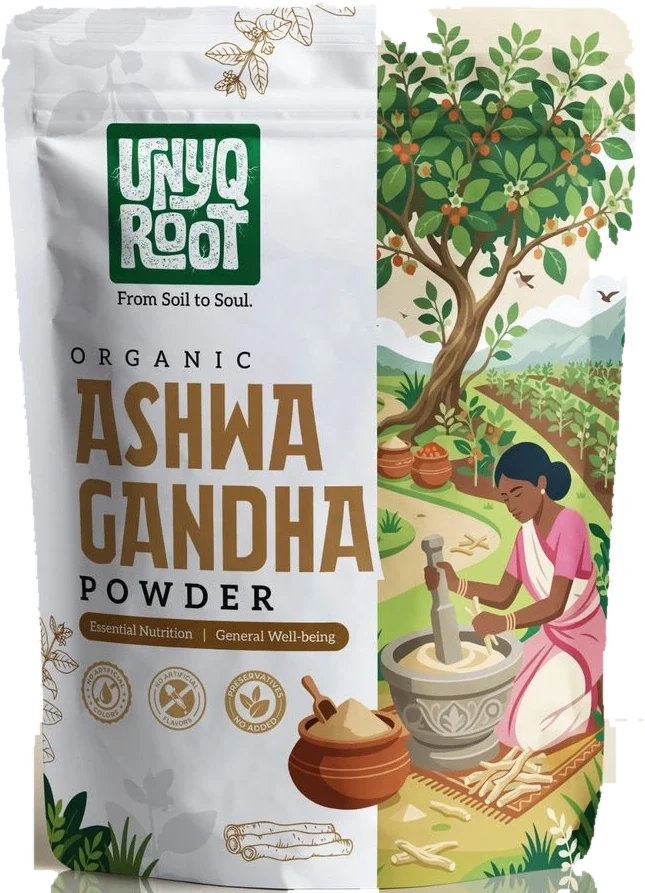
When choosing a product, look for clear sourcing, a stated withanolide content if it is an extract, and third-party testing for heavy metals and purity. UNYQROOT's ashwagandha is grown organically and traceable from soil to soul, which is the standard worth holding any root herb to. Whichever brand you pick, treat transparency as non-negotiable.
A root herb is only as clean as the ground it grew in. With ashwagandha, sourcing is not a detail. It is the whole story.
How to Build It Into a Real Routine
Ashwagandha works best as one part of a wider approach to stress, not as a standalone rescue. A few habits make its support more noticeable.
- Take it at the same time each day so it becomes automatic, the way you would treat any daily habit.
- Pair the evening dose with a genuine wind-down: dim lights, no screens for the last half hour, and a consistent bedtime.
- Keep caffeine to the first half of the day, since no herb can outwork an afternoon coffee habit.
- Reassess after about eight weeks. Note your sleep, mood, and energy honestly, then decide whether to continue.
Many people use ashwagandha in cycles, taking it daily for two to three months and then taking a short break, though continuous use is also common in traditional practice. Listen to your body and keep your dose modest.
Safety, Side Effects, and Who Should Be Careful
For most healthy adults, ashwagandha is well tolerated at the doses above. The most common side effects are mild and usually dose-related: some stomach upset, loose stools, or drowsiness, particularly at higher amounts. Lowering the dose or taking it with food usually settles this.
There are important exceptions. Please speak to a qualified doctor or Ayurvedic practitioner before taking ashwagandha if any of the following apply to you:
- You are pregnant or trying to conceive. Ashwagandha is traditionally avoided in pregnancy.
- You are breastfeeding or nursing.
- You take medication for the thyroid, blood sugar, blood pressure, or sedatives, as ashwagandha may interact with these.
- You have an autoimmune condition or are on immunosuppressant medication.
- You have a liver condition or are scheduled for surgery.
This article is for general wellness information and is not medical advice. Ashwagandha supports the body's stress response. It does not treat, cure, or diagnose any condition. If you are pregnant, nursing, or taking any medication, talk to your physician before starting it.
The Bottom Line
Ashwagandha is one of the few traditional herbs that has earned a measure of modern evidence for what people have long used it for: helping the body cope with steady, grinding stress. Used consistently at a sensible dose, paired with good sleep habits and sourced from a clean, tested supply, it is a calm and reliable addition to a wellness routine. Be patient, start low, choose quality, and check with a doctor if any of the cautions above apply to you.
Ashwagandha को अपनी दिनचर्या में शामिल करें
उत्पाद देखेंअक्सर पूछे जाने वाले प्रश्न
Most human studies measure benefits after 6 to 8 weeks of daily use. You may notice better sleep sooner, but the steadier mood and lower-stress effects build up gradually, so give it at least a month of consistent use.